
Fall Prevention: 6 Essential Balance and Strength Tips
Fall prevention means improving your strength, balance, and coordination while making your surroundings safer, so you are less likely to fall and more confident if your balance is disrupted.
Have you ever missed a step, slipped on a wet floor, or stumbled and caught yourself just in time? Your body reacted in a split second, using your muscles, joints, eyes, inner ear, and brain together.
Balance is not just standing on one leg or having strong legs. It is how well your body senses where it is, responds to change, and adjusts when something unexpected happens.
Falls are more common among older adults, but they can happen to anyone. Athletes lose their footing in training, runners trip on uneven ground, and everyday moments like climbing stairs or stepping out of the shower can catch people off guard.
The good news is that balance can be trained. In this guide you will learn:
- Why falls happen and what raises your risk
- How your brain, eyes, inner ear, and body keep you steady
- The difference between fall prevention and fall preparation
- 6 practical ways to improve balance and strength
- How Pilates can support balance, mobility, and confidence
Why Is Fall Prevention Important?
Falls are a major public health concern, especially for older adults. The World Health Organization (WHO) estimates that about 684,000 people die from falls worldwide each year, and adults over 60 account for the greatest number of fatal falls. In the United States, the CDC reports that more than 41,000 adults aged 65 and older died from falls in 2023, the most recent year of final data.
But preventing falls is about more than avoiding serious injury. A fall can shake your confidence, independence, and willingness to stay active. Someone who has fallen may avoid stairs, walks outside, or activities they used to enjoy.
That fear can lead to less movement, which can mean weaker muscles, reduced mobility, and poorer balance, which in turn raises the risk of another fall. It is a cycle that is hard to break.
Fall prevention and preparation interrupt that cycle by helping you keep your physical abilities, build movement awareness, and feel confident in everyday activities.
What Causes Falls?
Falls rarely have a single cause. Usually several physical, environmental, and lifestyle factors combine. Knowing them is the first step to lowering your risk.
1. Reduced muscle strength
Your legs, hips, core, and ankles support your body weight and help you recover when you lose balance. When these muscles weaken, standing from a chair, climbing stairs, or stepping over an obstacle gets harder. Muscle mass and strength decline gradually with age unless you stay active, which is why regular strength training matters.
2. Poor balance and coordination
Balance is your ability to control your body’s position, whether you are still or moving. It depends on muscles, joints, and your brain working together quickly. When they do not, changing direction, walking on uneven ground, or reaching for something becomes less stable.
3. Changes in vision and sensory awareness
Your brain relies on three sensory systems for balance: your eyes, your inner ear (the vestibular system, which detects head movement and direction), and proprioception, your sense of where your limbs and joints are without looking. If any of these is affected, staying steady becomes more challenging.
4. Environmental hazards
Sometimes the biggest risk is your surroundings, not your body. Common hazards include:
- Wet or slippery floors
- Loose rugs and electrical cords
- Poor lighting, especially on stairs and in hallways
- Uneven walking surfaces and cluttered spaces
- Unsupportive or poorly fitting footwear
- Stairs without secure handrails
5. Medication, fatigue, and health conditions
Some medications cause dizziness, drowsiness, or blood pressure changes that affect balance. Conditions that affect mobility, sensation, vision, or coordination can also play a part, and fatigue slows reaction time and concentration. If you have recurring dizziness, unexplained falls, or changes in your balance, speak with a healthcare professional about a medication review and individual assessment.
How Does Your Brain Maintain Balance?
Balance begins in your brain. It constantly receives signals from your eyes, inner ear, muscles, joints, and skin, then sends instructions to your muscles to hold your position or adjust your movement, all without you noticing.
- Visual system: helps you spot obstacles, judge distances, and stay oriented.
- Vestibular system: sits in your inner ear and detects head movement and your position relative to gravity, which matters most when you turn or change direction.
- Proprioceptive system: reports from your muscles, joints, and connective tissue where your body is and how it is moving.
This is why good balance training goes beyond strong legs. It also challenges coordination, body awareness, and your ability to respond to different situations.
Fall Prevention vs. Fall Preparation: What’s the Difference?
Fall prevention reduces the chance of a fall happening in the first place by improving strength, balance, coordination, mobility, and home safety.
Fall preparation builds the physical skills and confidence to respond if your balance is disrupted. That can include practicing controlled stepping responses, changing direction, floor-transfer skills, and knowing how to get help after a fall.
Fall preparation does not mean putting yourself in risky situations or trying to teach yourself how to fall. Falls are unpredictable. The goal is to have more movement options, more confidence, and less panic when something unexpected happens. For example, regular practice of controlled weight shifts and stepping can make it easier to recover when you feel unstable.
Together, the two approaches give you a more complete strategy for staying safe.
6 Practical Ways to Improve Balance and Reduce Your Risk of Falling
You do not need special equipment or an intense routine. Small, consistent habits build the abilities you use every day.
1. Build strength in your legs and core
Your lower body does most of the work when you stand, walk, climb stairs, and recover from a wobble. Target your quads, glutes, hamstrings, calves, and core with exercises such as:
- Chair squats
- Supported lunges
- Glute bridges
- Standing calf raises
- Step-ups
- Modified planks
Start at a level that suits you, and use a stable chair, wall, or countertop for support if needed.
2. Practice balance exercises
Balance improves with practice. Try:
- Standing with your feet close together
- Supported single-leg standing
- Heel-to-toe standing
- Controlled weight shifts from one foot to the other
- Marching in place while holding a stable support
As you gain confidence, reduce hand support or narrow your stance. Always put safety ahead of difficulty.
3. Improve your mobility
Limited ankle, hip, or spinal mobility makes it harder to take longer steps, adjust your position, or change direction comfortably. Gentle mobility work, stretching, and controlled movement help keep your joints moving through the ranges everyday life needs.
4. Train coordination and reaction time
Quick reactions are part of staying upright. Practice stepping forward, backward, and sideways in response to a cue while holding a stable support, or add changes of direction and simple visual or verbal instructions. These drills train your brain and body to work together.
5. Make your home safer
Conditioning is only half of fall prevention. Your surroundings matter too:
- Remove loose rugs and clutter from walkways
- Keep hallways and stairs well lit
- Install secure handrails on stairs
- Add grab bars in bathrooms where needed
- Use non-slip surfaces in wet areas
- Keep everyday items within easy reach
- Wear supportive footwear with good traction
6. Look after your overall health
Have your vision checked, review medication side effects with your healthcare provider, and ask for advice if you notice dizziness or changes in how you walk. Avoid rushing when you get out of bed or stand from a chair, and give your body a moment to adjust if you sometimes feel lightheaded.
Fall prevention works best when physical activity, healthcare, and home safety are addressed together.
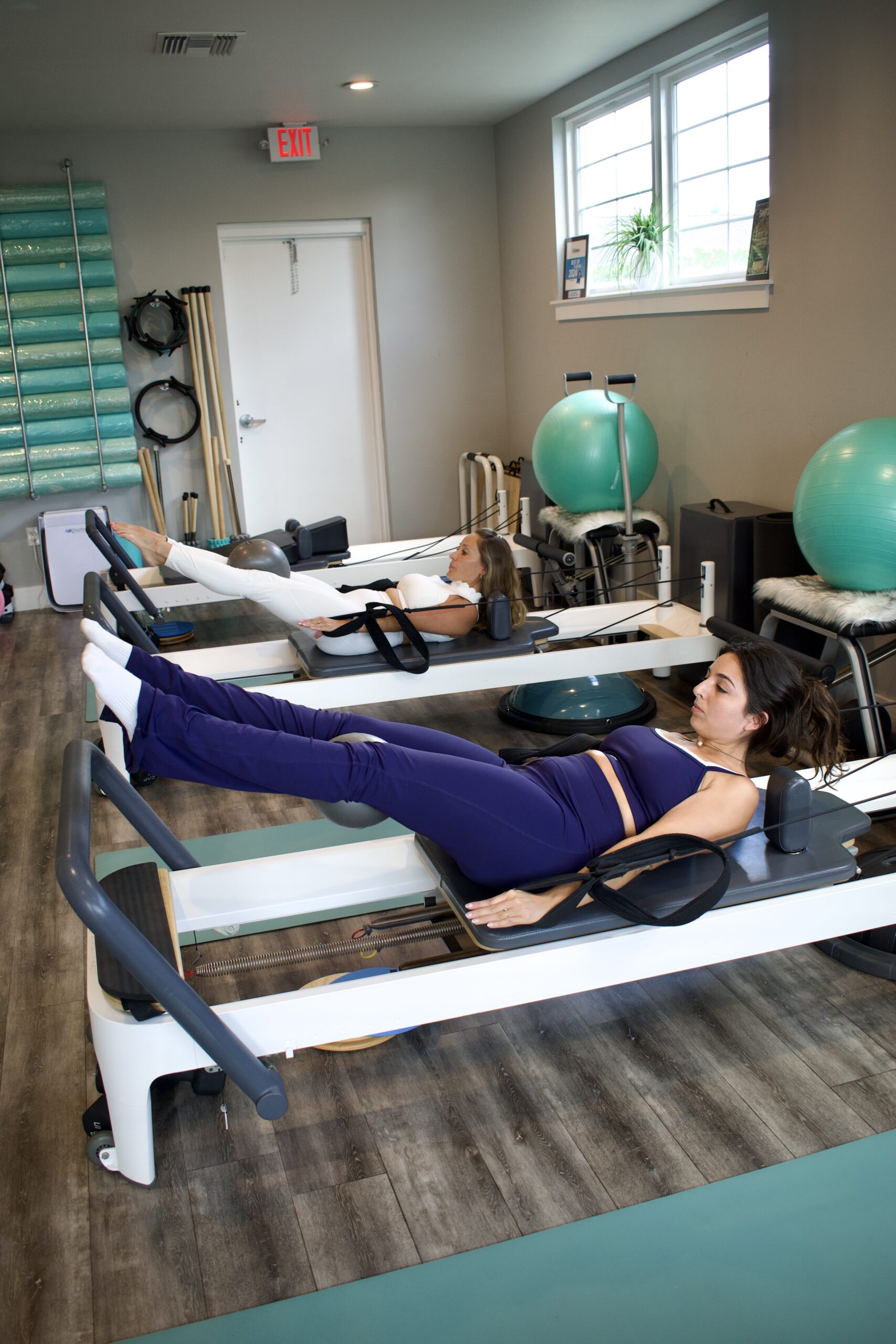
How Pilates Supports Fall Prevention and Preparation
Pilates is known for flexibility and core strength, but when it is practiced appropriately it can also build several abilities that support balance and movement control.
- Core strength and postural control: Pilates trains the abdominals, back muscles, and pelvic stabilizers, which help you stay steady when standing, walking, reaching, and changing position.
- Better body awareness: the focus on precision, alignment, and breathing helps you notice where your weight is and how your posture changes.
- Improved balance and coordination: controlled weight shifts, single-leg work, and smooth transitions challenge stability. Supported standing leg work, controlled squats, and standing side kicks can be useful in a structured balance program.
- Greater mobility and confidence: moving through controlled ranges at the hips, ankles, and spine makes everyday movement more comfortable, which can help people who have become hesitant after a fall.
- Mind-body coordination: coordinating breath, focus, and movement trains attention. Some instructors also add visual tracking, head movements, and changes of direction under supervision to challenge the sensory systems.
Pilates is not a guaranteed way to prevent falls. Its value comes from being part of an individualized approach that includes appropriate strength and balance training, medical assessment when needed, and a safe environment.
Pilates for Athletes: Balance and Control Beyond Older Age
Fall prevention is not only for older adults. Runners, cyclists, tennis players, golfers, and lifters all need balance and the ability to react to the unexpected, whether that is an uneven trail, a sudden change of direction, or a landing after a jump.
Pilates for athletes can complement training in these areas:
- Single-leg stability: control around the hips and pelvis for running, jumping, and cutting.
- Core control: trunk stability and coordinated movement during sport.
- Hip and ankle mobility: comfortable movement through the ranges your sport demands.
- Proprioception: better awareness of body position and weight distribution.
- Movement control: precise, controlled transitions across different movement patterns.
For athletes, the goal is not just to be stronger. It is to move efficiently, respond to changing demands, and keep control under pressure.
Frequently Asked Questions About Fall Prevention
What is the best exercise to prevent falls?
There is no single best exercise. The most effective approach combines leg and core strengthening, balance practice, and coordination work, done consistently and matched to your ability. Supported single-leg standing, chair squats, and heel-to-toe standing are good places to start.
Can Pilates help prevent falls?
Pilates can support the strength, body awareness, mobility, and coordination that contribute to better balance. It is not a guaranteed way to prevent falls, so it works best alongside appropriate strength and balance training, health checks, and a safe home.
How often should I do balance exercises?
Strength exercises for the legs, hips, and core are a good target at least twice a week, with short supported balance practice built into your routine. Consistency matters more than intensity.
What are the most common causes of falls?
Common causes include weaker muscles, poor balance and coordination, changes in vision or inner-ear function, home hazards such as loose rugs and poor lighting, and medications that cause dizziness.
How to Start Preparing Your Body Today
You do not need to wait for a fall or a change in your balance. Begin with manageable steps and build consistency:
- Start with strength. Work your legs, hips, and core at least twice a week, depending on your ability.
- Practice balance. Use supported exercises first and progress gradually.
- Move regularly. Walking, Pilates, and strength training all help maintain your abilities.
- Challenge coordination. Add controlled changes of direction, stepping patterns, and weight shifts.
- Make your home safer. Look for anything that could cause a trip or slip.
- Get professional guidance. If you have fallen, feel unsteady, or have concerns, see a healthcare professional before starting a new program.
If someone has fallen, especially if they hit their head, have significant pain, or cannot get up safely, seek medical help rather than rushing them to stand.
Move Better, Feel Stronger, Stay Prepared
Fall prevention and preparation are about keeping the strength, mobility, coordination, and confidence to do the things you enjoy. Your muscles support you, your joints let you move, your senses supply information, and your brain coordinates the response. The best time to train those systems is before you need them.
At Salty AF Pilates, we believe movement is key to lasting strength, confidence, and well-being. Whether you want to stay active as you age, boost your athletic performance, or feel steadier in everyday life, we can help you build a plan that suits you.
Build strength. Improve awareness. Move with confidence. Stay prepared.


